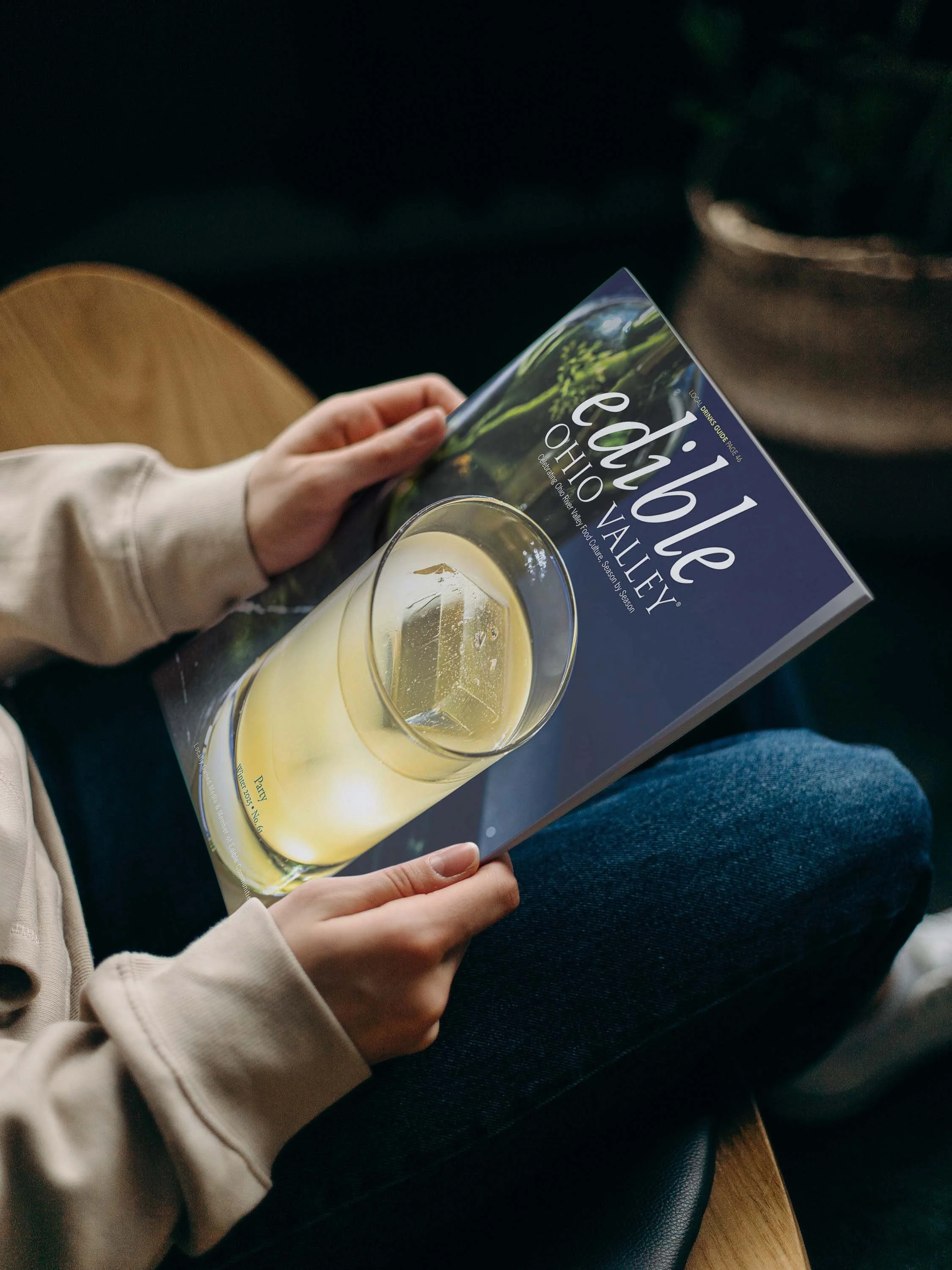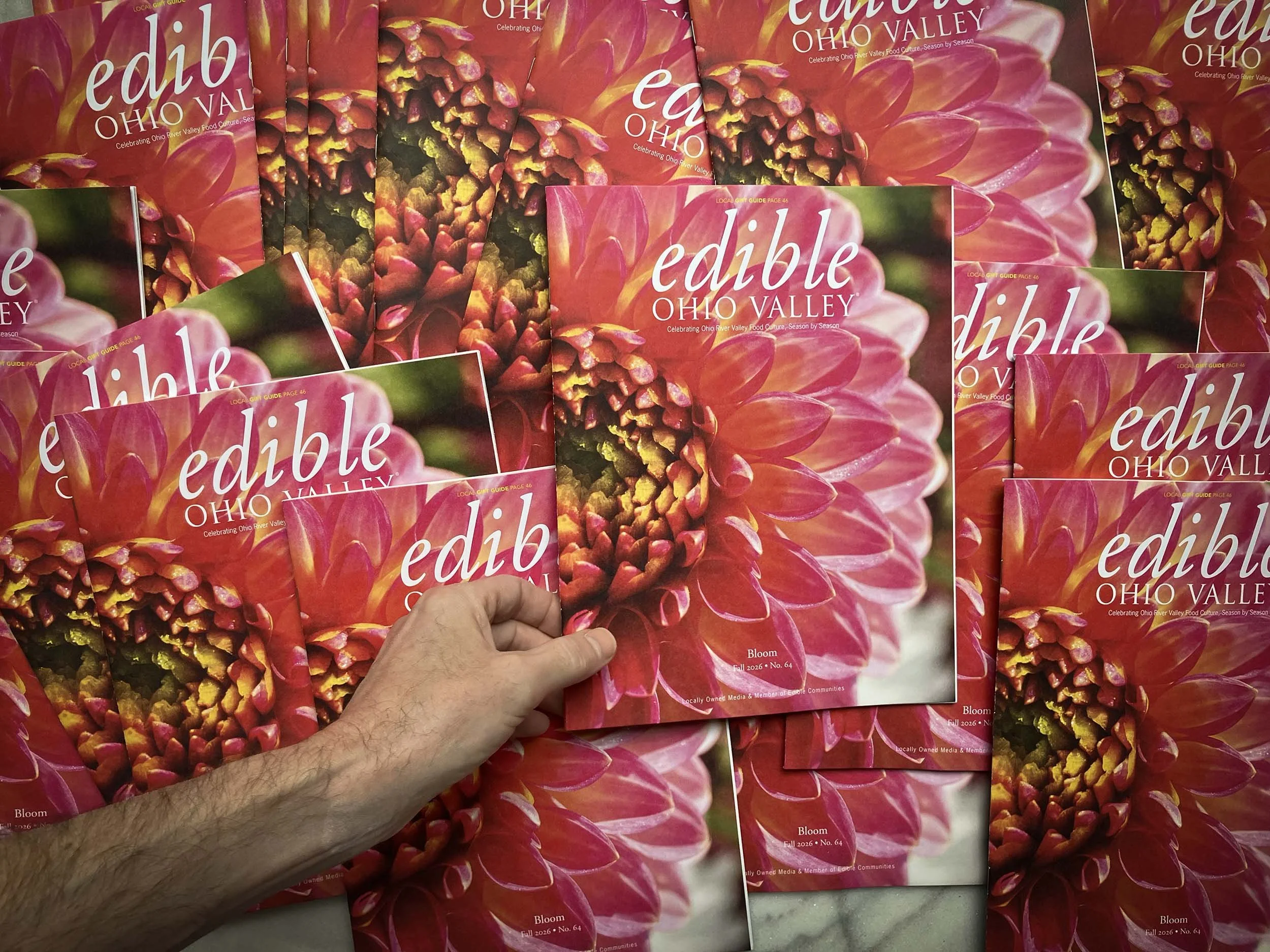
CURRENT ISSUENo 64
Fall 2026
Welcome. Here you can search and share stories or recipes from the archive of Edible Ohio Valley magazine.
When the we run out of the current issue we’ll add the printed articles here to live on in the digital world. Until then, you can find copies from local advertisers that make this magazine possible.

No 64 • Fall 2026
Our summer issue offered a deep exploration of one of our region’s most pressing and perplexing challenges: food insecurity. In this issue we’ll do a different kind of exploring. Polly Campbell starts off a new column called Road Trip, in which she and her husband hop in the car and hit the highway in search of roadside attractions, soft-serve joints, and local food. We envision this column as a series of 1- to 2-day trips that will unfold over the next year or so.
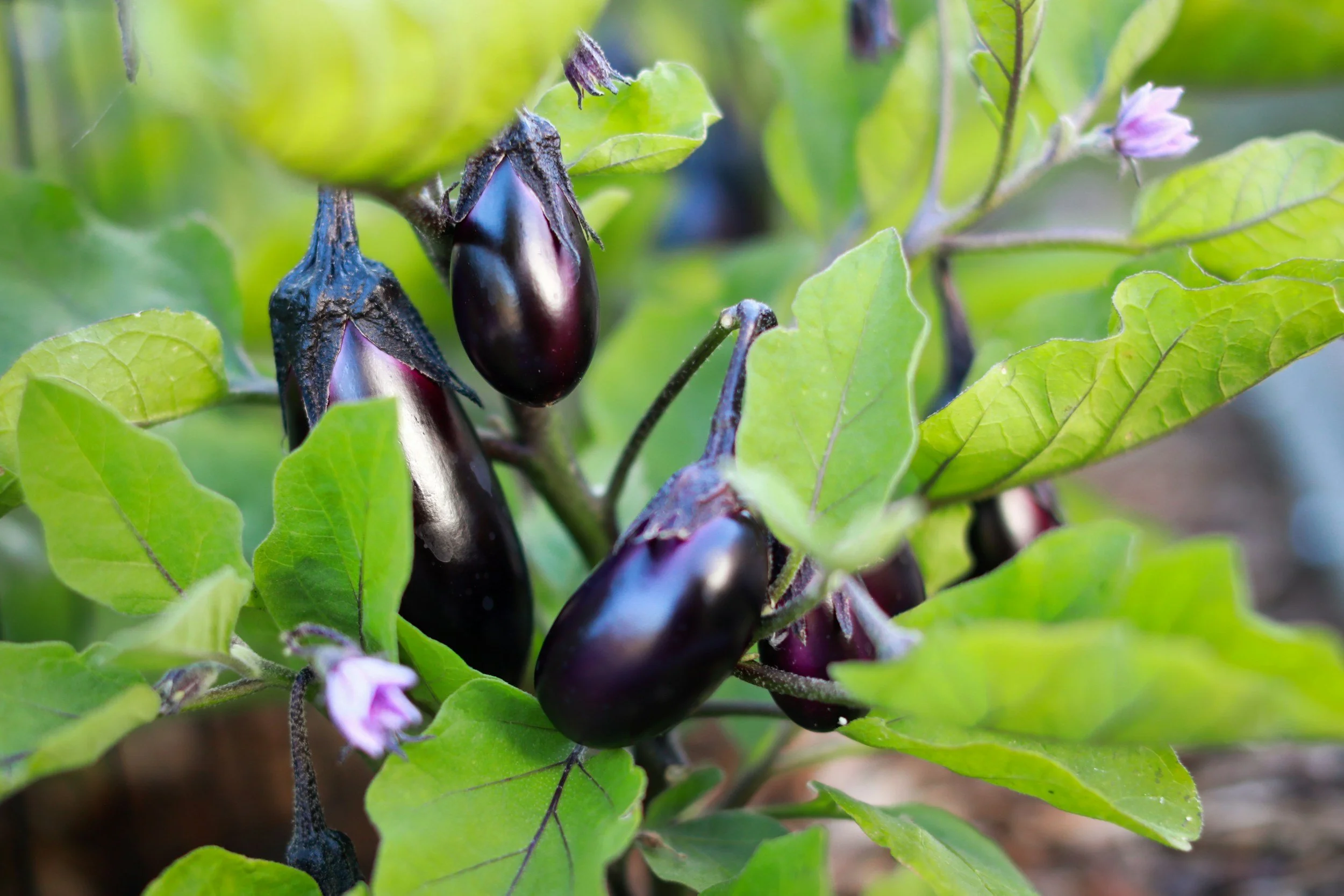
The Mad Apple of Summer
Eggplant is known as aubergine in French, after other variations traveled through Sanskrit, Arabic, and Catalan before landing on the current name eggplant, a nod to its shape. In Greek circles, the vegetable goes by melitzana. This translates in Italian to mela insana and melanzana, meaning “mad apple,” as the vegetable was often confused with other poisonous plants in the nightshade species, one of eggplant’s ancestors.
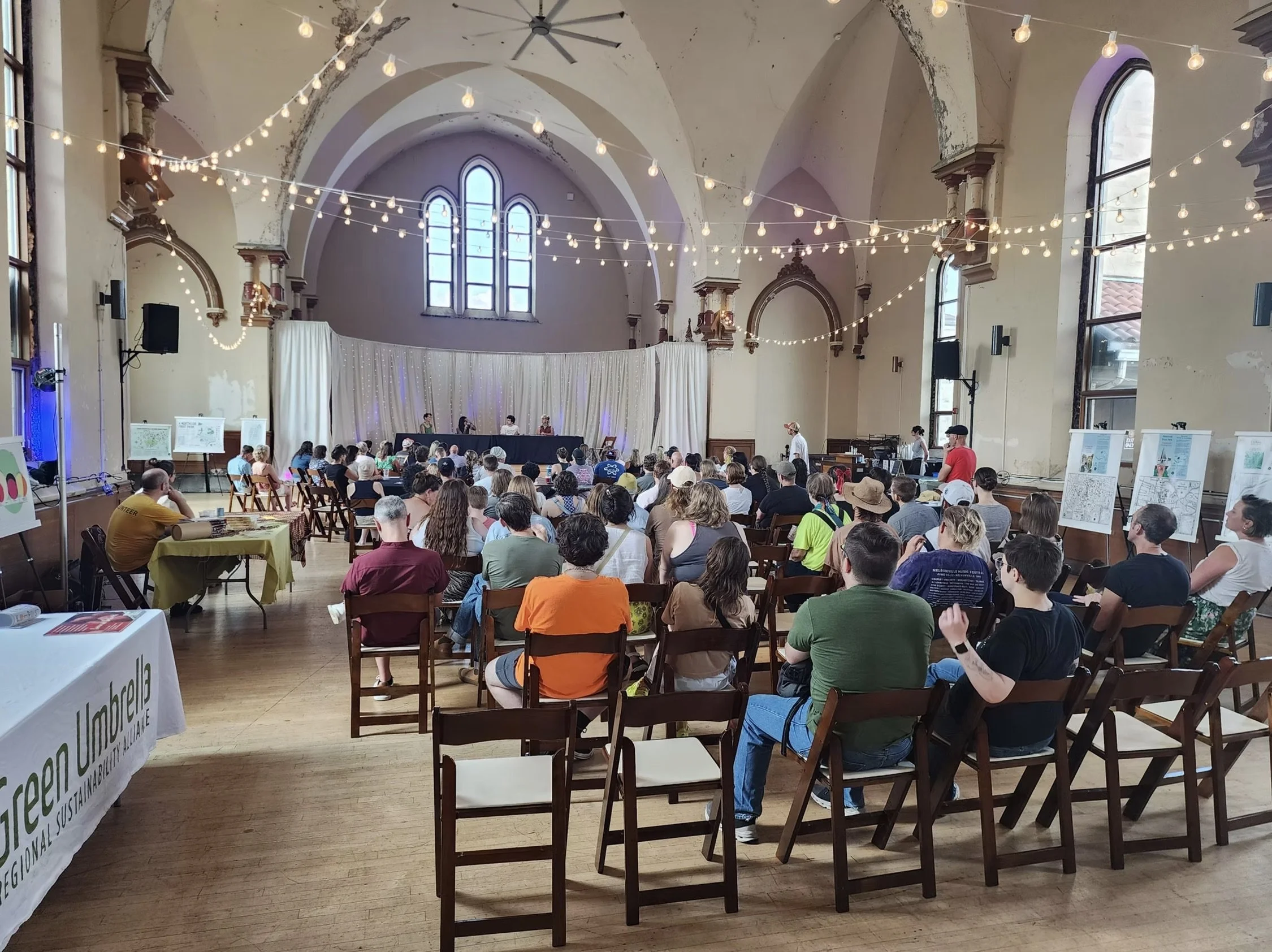
Fruit Fest 2026
Join us for the 2nd Annual Fruit Fest! Celebrating the perennial edibles of the Ohio River Valley Region. This year our expert panel will lead the audience through a conversation about invasive species. Learn something new, mingle with friends, check out our Fruit Park Food Map Series, and enjoy a special Freshie made with locally harvested fruit.
Saturday, August 29th, 4-8pm
4:00 - 5:00 pm - Walking Tour, Northside Plant ID. Lead by Mel Melvin, Common Orchard Project.
5:30 - 6:30 pm - Expert Panel on Invasive Species: New Considerations. Featuring Luis Aguilar-Dwyer from the Civic Garden Center of Greater Cincinnati, Mike Foreste and Tom Borgman from White Oak Nursery; Nicole Gunderman from Hamilton County Soil & Water Conservation District; and Crystal Courtney from the City of Cincinnati Parks Department.
6:30 - 8:00 pm - Food, drinks, connection and conversation
Admission: Free
Food Available from Dean’s Mediterranean Table. Honey for sale from Hive and Comb. Wine for sale from Fruit Blood.
Special Event Beverage by Urban Artifact: Locally Grown Freshie featuring Goumi, Josta, and Serviceberries
Hosted by:
Urban Artifact
1660 Blue Rock St, Cincinnati, OH 45223
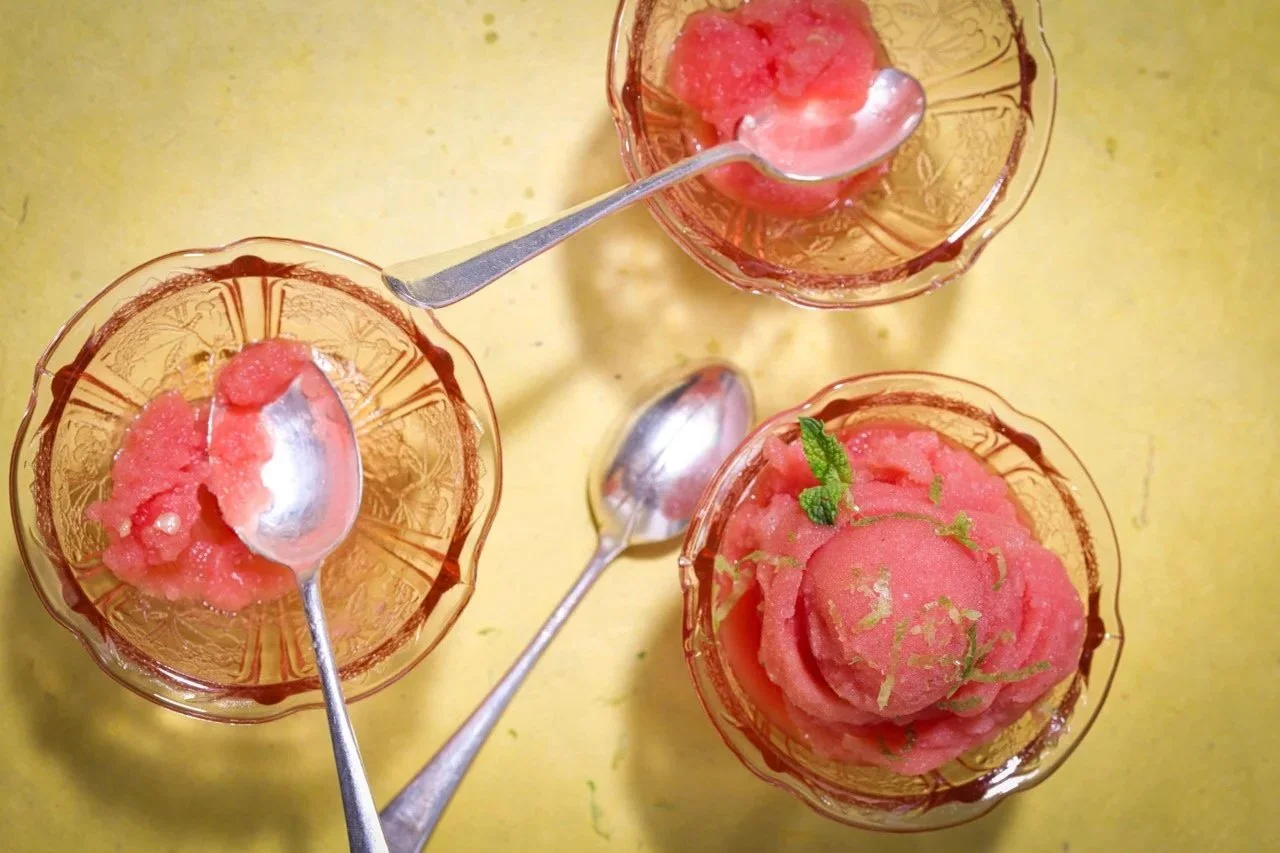
Watermelon Sorbet
The secret to this flaky sorbet is freezing the fruit first. You can also add other seasonings to this sorbet, like fresh basil, to adjust the flavor profile—this can be particularly delicious if you plan to use the sorbet as a base for a frozen mixed drink. Save your watermelon rinds for pickling!
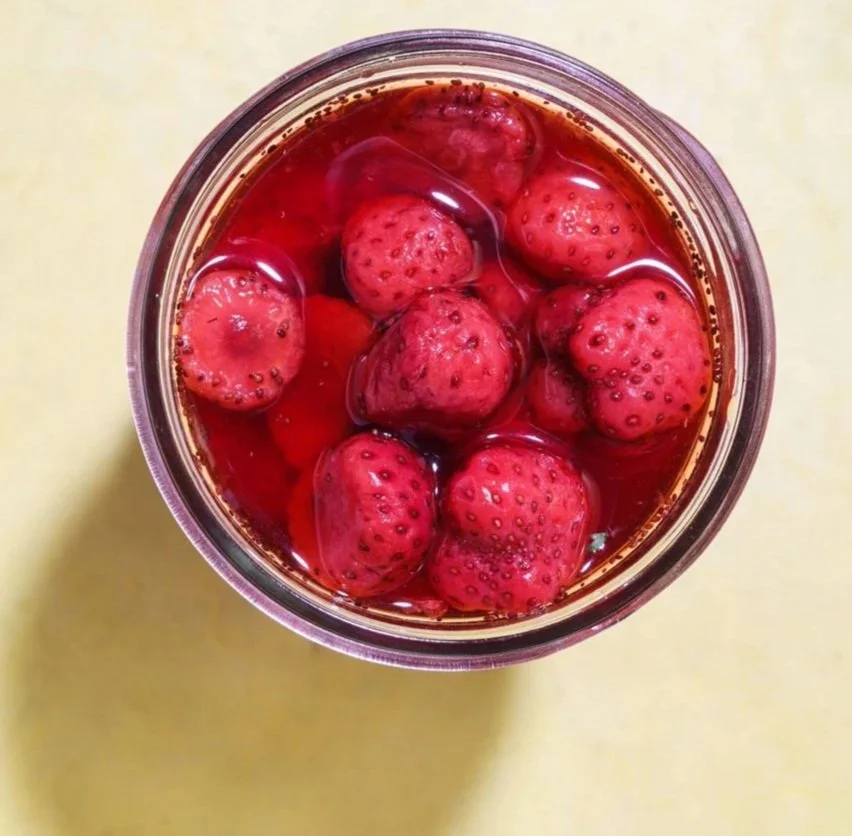
No. 63 • Enough
When I spoke with Mark Willis of Dayton’s Hall Hunger Initiative for the spring issue’s Last Word column, he said something that I couldn’t shake: Ending hunger “is an achievable goal. There’s enough food here.”
So in my extensive interviewing for this issue’s story on food insecurity, I kept asking, “How is hunger such a persistent problem when we have plenty of food?”
This story, and Cedric Rose’s piece on the local food distribution system, point to a reason why hunger exists in a nation of abundance.
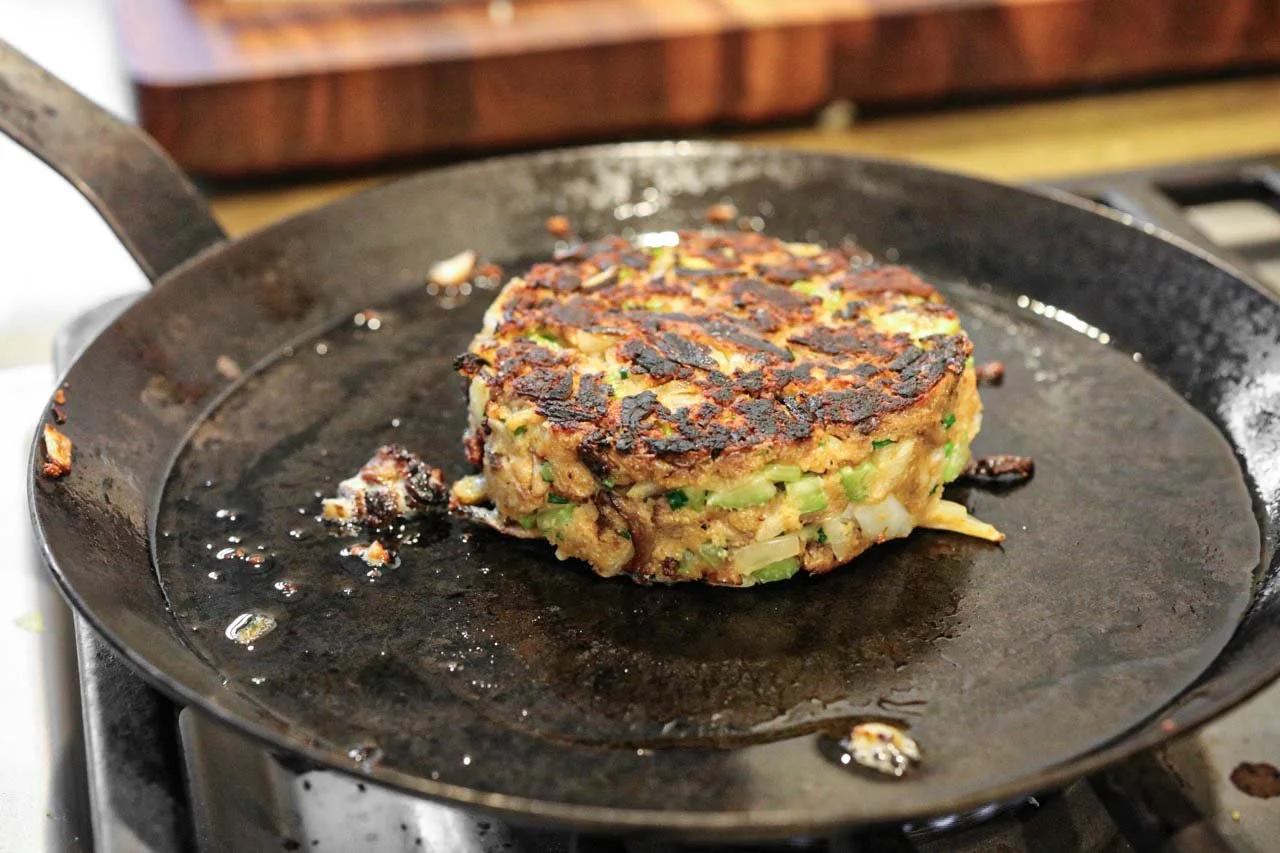
Lion’s Mane Cakes
Lion’s mane mushrooms are a great meat alternative; here, they fill in for seafood in a preparation like crab cakes.
Recipe courtesy of Rich Life Farm and Fungi
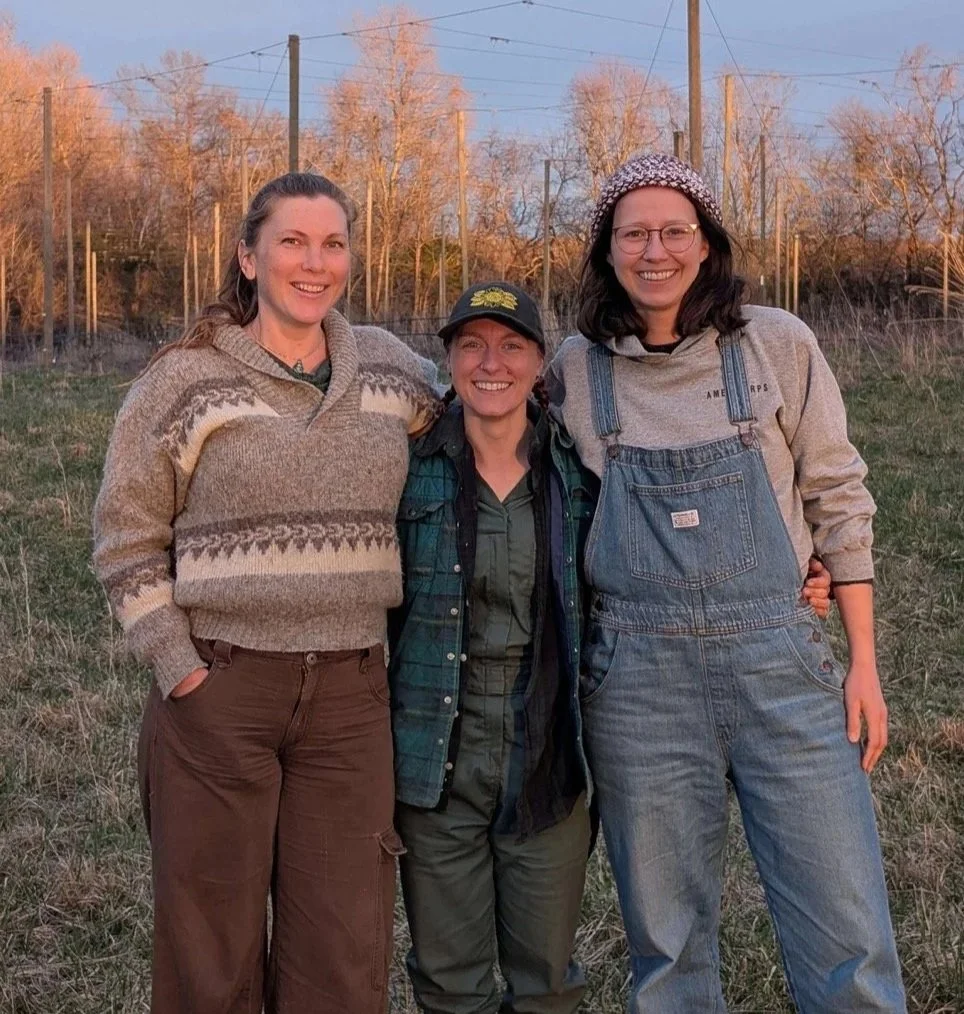
Big Table Farm Co-op
Down a gravel road in Cincinnati’s Wooden Shoe Hollow, the West Side area once home to greenhouses established by German immigrants, three women farmers joined forces as Mustard Seed Farm. There, Marykate Glenn, Lindsey Melling, and Becky Richey—who have varying backgrounds in farming through the World Wide Opportunities on Organic Farms program, Turner Farm, and the Ohio Ecological Food and Farm Association—focus on what Glenn calls “good food grown well.”
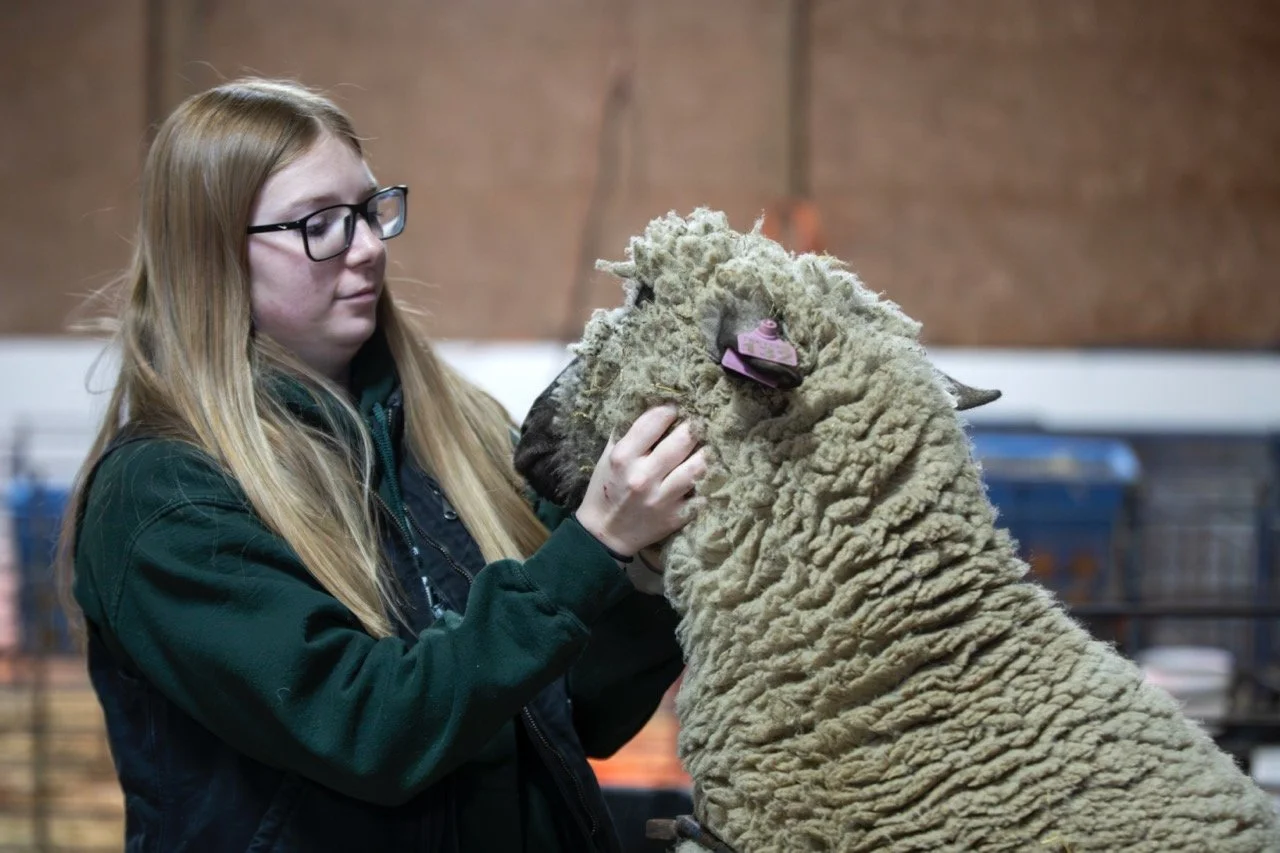
Wilmington College Academic Farm
Wilmington’s academic farm is nationally recognized for its opportunities for hands-on learning, and its size enables more intimate connections than larger universities. Thanks to social media outreach to new audiences interested in agriscience, the farm contributes to increasing enrollment at Wilmington.
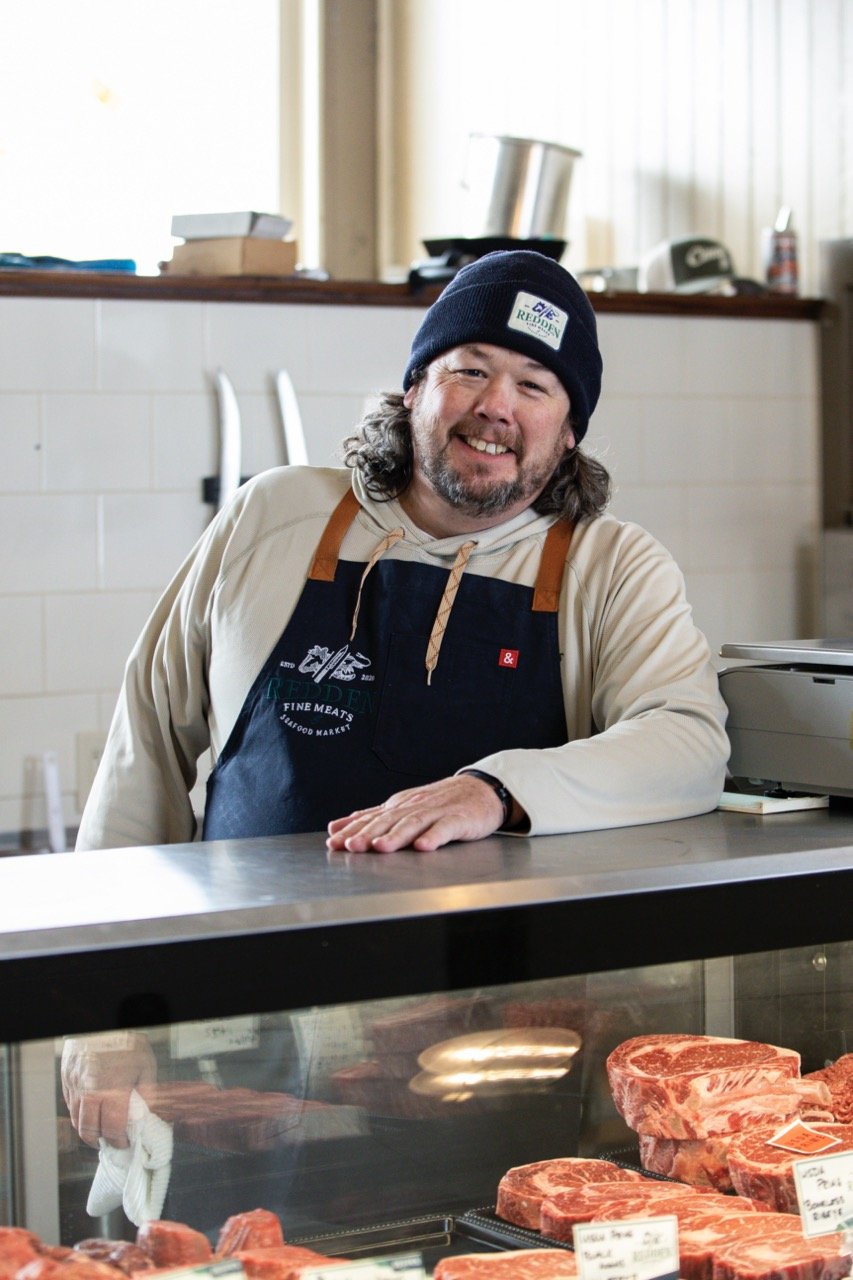
Redden Fine Meats
The food industry isn’t new to Sean Redden, managing partner of Redden Fine Meats. He started working in restaurants at age 15 and spent more than 25 years working as a chef before pivoting into restaurant sales. When the Covid-19 pandemic hit and uncertainty surged everywhere, especially in the restaurant industry, he knew it was time for a new adventure. In the heart of downtown Madeira, a historic train station built in 1860 sat vacant…
Paths for the People
The Little Miami Scenic Trail. one of the county’s original “rail to trail” projects, has never been more vibrant. But it and others are currently under threat from political forces.
You might not know that the Little Miami Scenic Trail, which wends across five counties from Springfield, OH, to Cincinnati, is the nation’s fourth longest paved walking and biking trail. And you might not know there’s a 486-foot elevation drop along its 78 mostly wooded miles along the grade of an early Ohio steam railroad that followed its namesake river.
We might never have known the Little Miami Scenic Trail (LMST) at all. In the 1970s and ’80s, an era of rail consolidation that left this and thousands of other railroad lines fallow, the conservation organization known today as the Little Miami Conservancy spearheaded a campaign to secure federal funding for this early “rail-trail.”
The organization brought a Federal Bureau of Outdoor Recreation leader to Ohio for a helicopter ride and canoe trip along the river—and coaxed $1 million out of $5 million budgeted federally for the newly born Rails to Trails initiative. The bipartisan Ohio General Assembly approved a $1 million match, and in 1984, the first 13.5 miles of asphalt were laid…
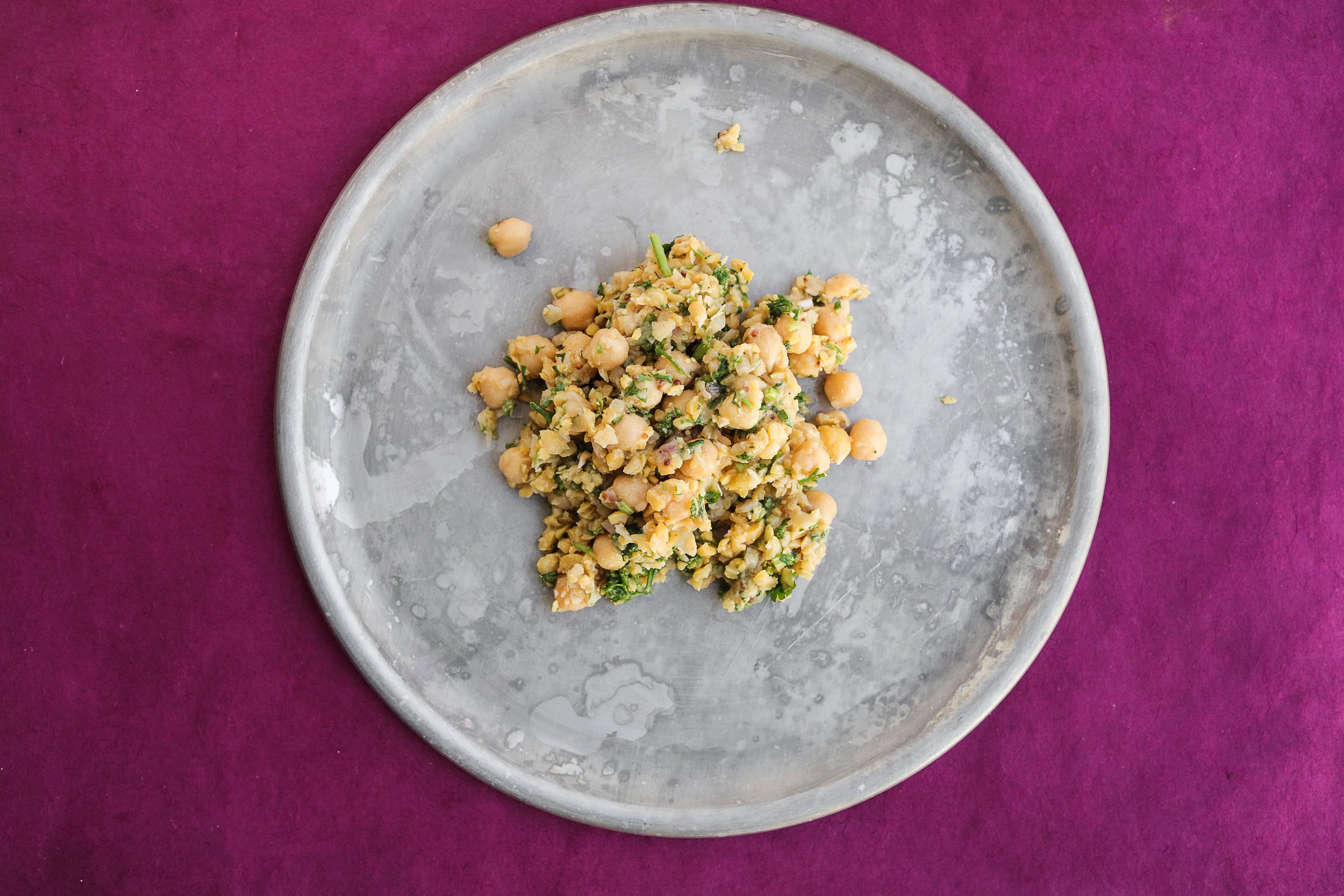
Smashed Chickpeas + Parsley
Use as a spread in a sandwich or wrap with accompaniments like pickles, kraut, shredded carrots, pea shoots, or microgreens; or serve over dressed salad greens.
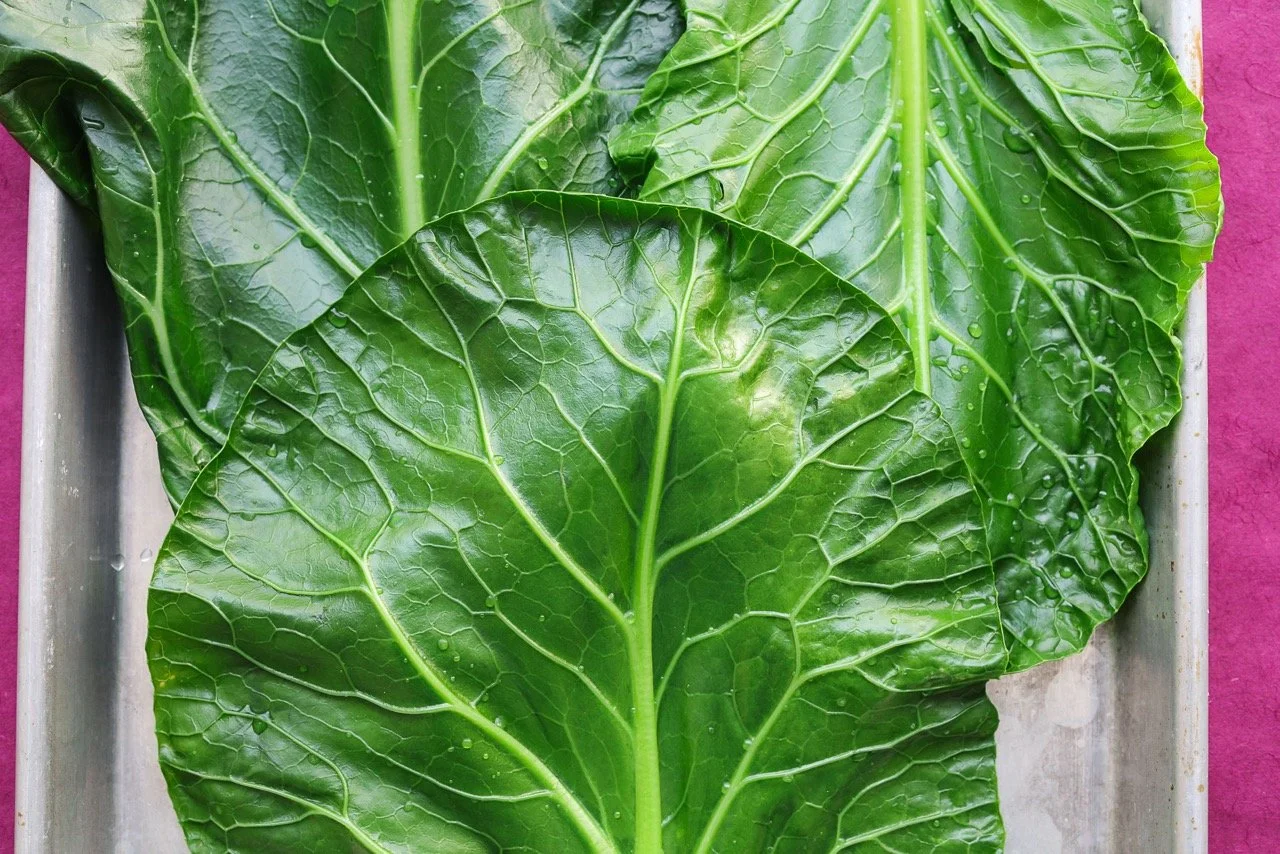
Blanched Greens
Blanching and shocking can be a great method for par-cooking produce to preserve freshness, while also making ingredients more tender.
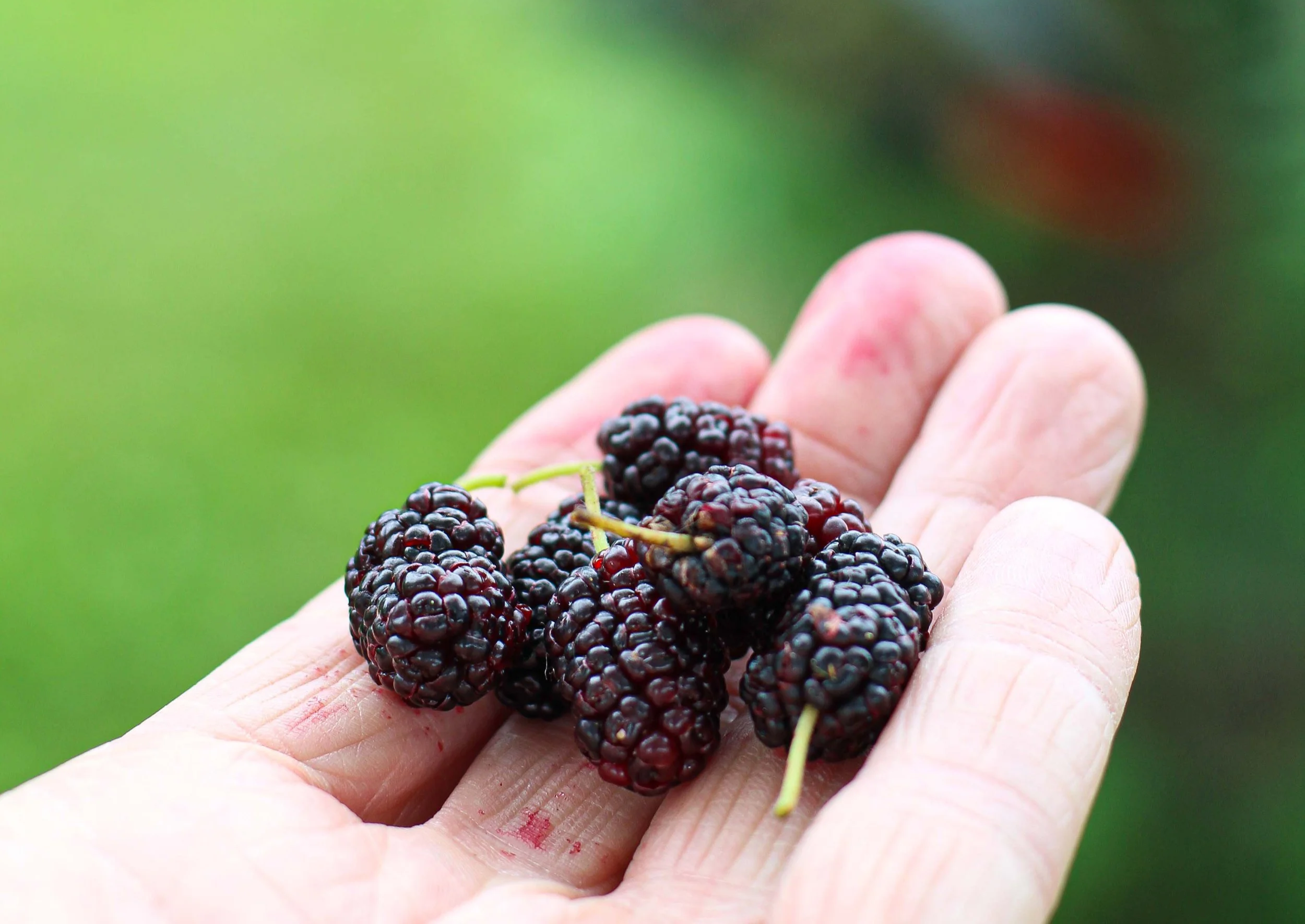
Magic Mulberries
There are actually two types of mulberries in North America: the red and white varieties. The berries themselves look identical—in fact, there are only subtle differences that distinguish the trees at all—but they followed widely divergent paths to get here.
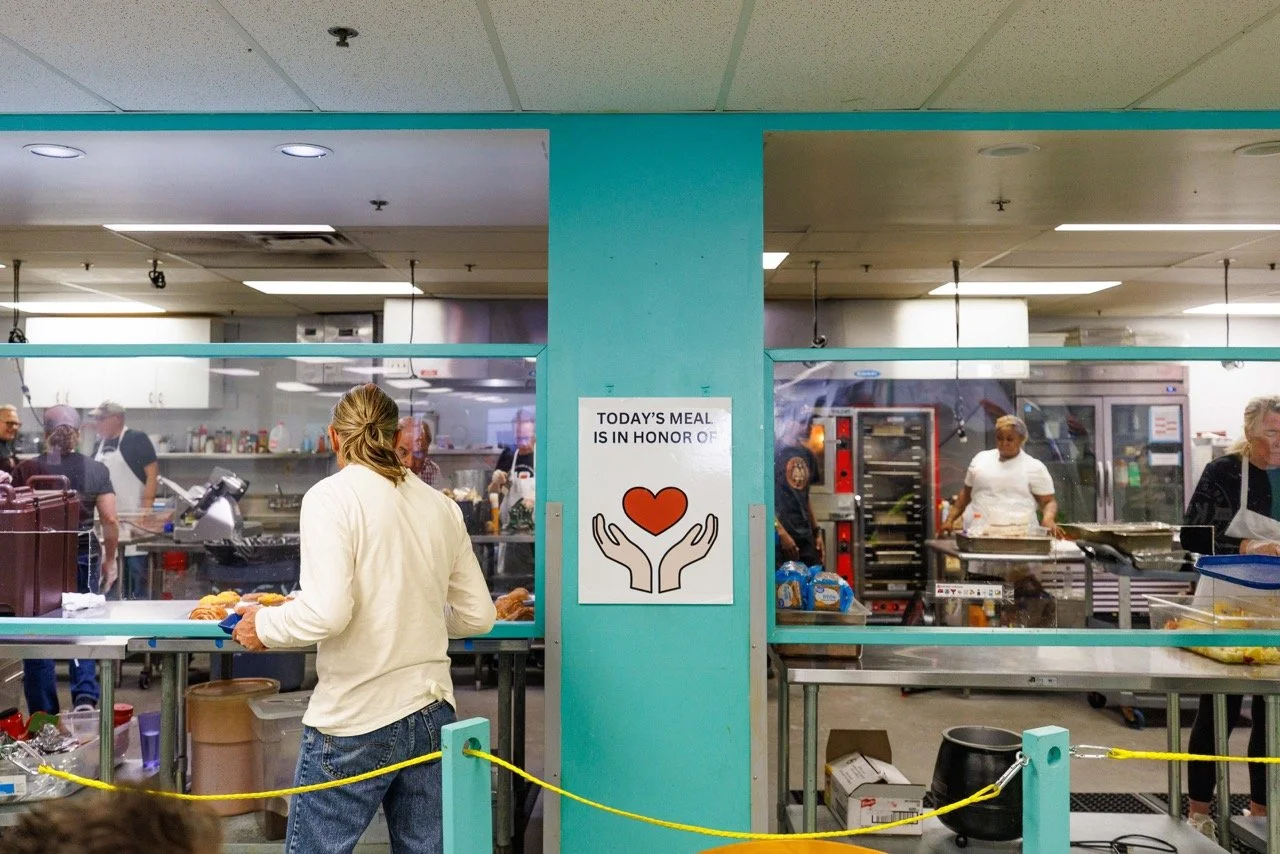
Some Are Full Some Are Hungry
When we think of humans suffering from hunger, many of us conjure images of emaciated people in underdeveloped parts of the world. In places where famine has taken hold, commonly caused by war or climate disasters, there is truly a shortage of food.
In Greater Cincinnati hunger looks quite different. In fact, it’s not often visible to those of us who aren’t experiencing it. Here, hunger is not starvation. Here, hunger is a child missing nutritious meals on weekends when they’re not in school. It’s a parent stressed out about feeding their family. It’s an elder who skips meals at the end of the month when the grocery budget has run out.
Here, hunger is not a function of lack of food. The U.S. produces plenty of food: nearly 4,000 calories per person per day as of 2019 according to the U.S. Department of Agriculture. We waste a lot of food, too, about 1,250 calories per person per day. Even accounting for waste, the U.S. produces more food than we need.
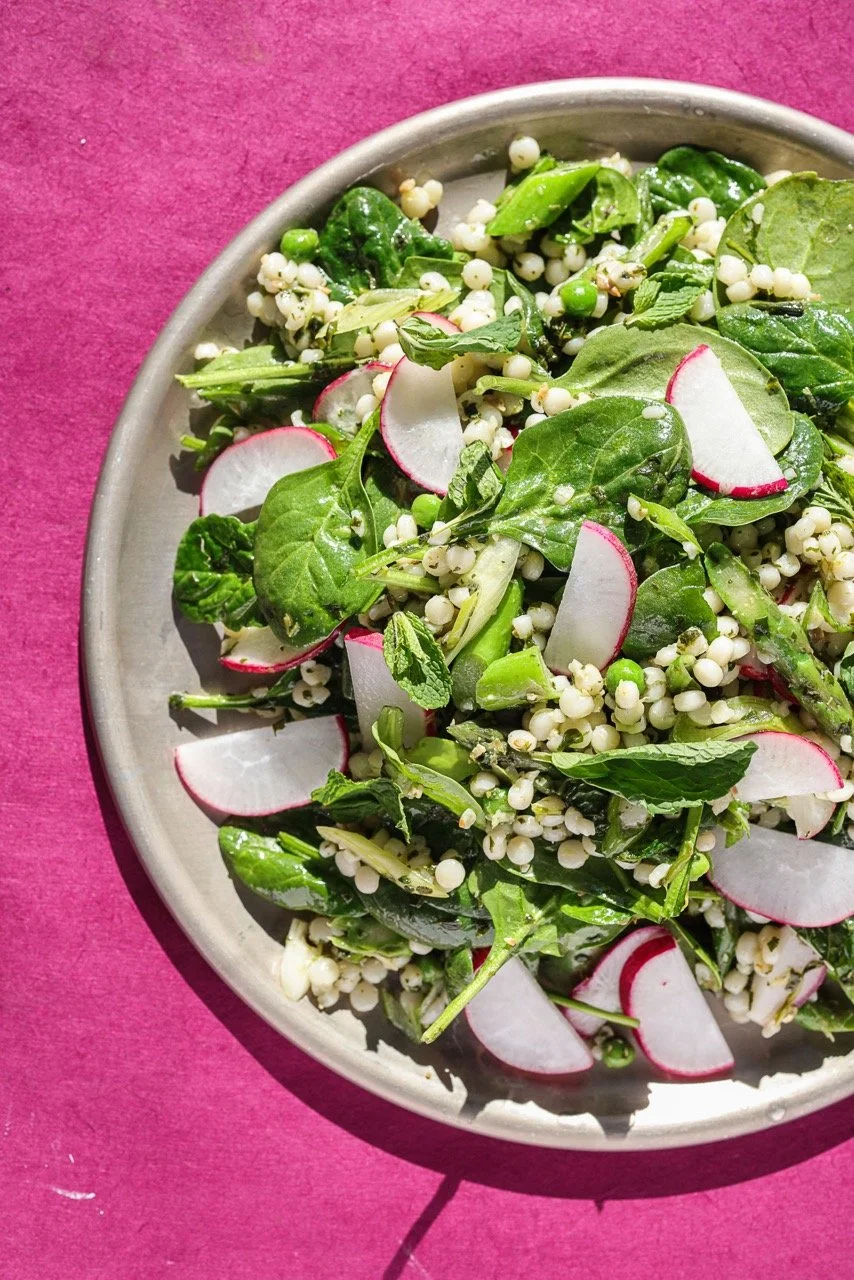
Herbed Couscous
You can swap the pearl couscous for another small pasta shape or even switch it with a cooked whole grain like wheat berries or farro.
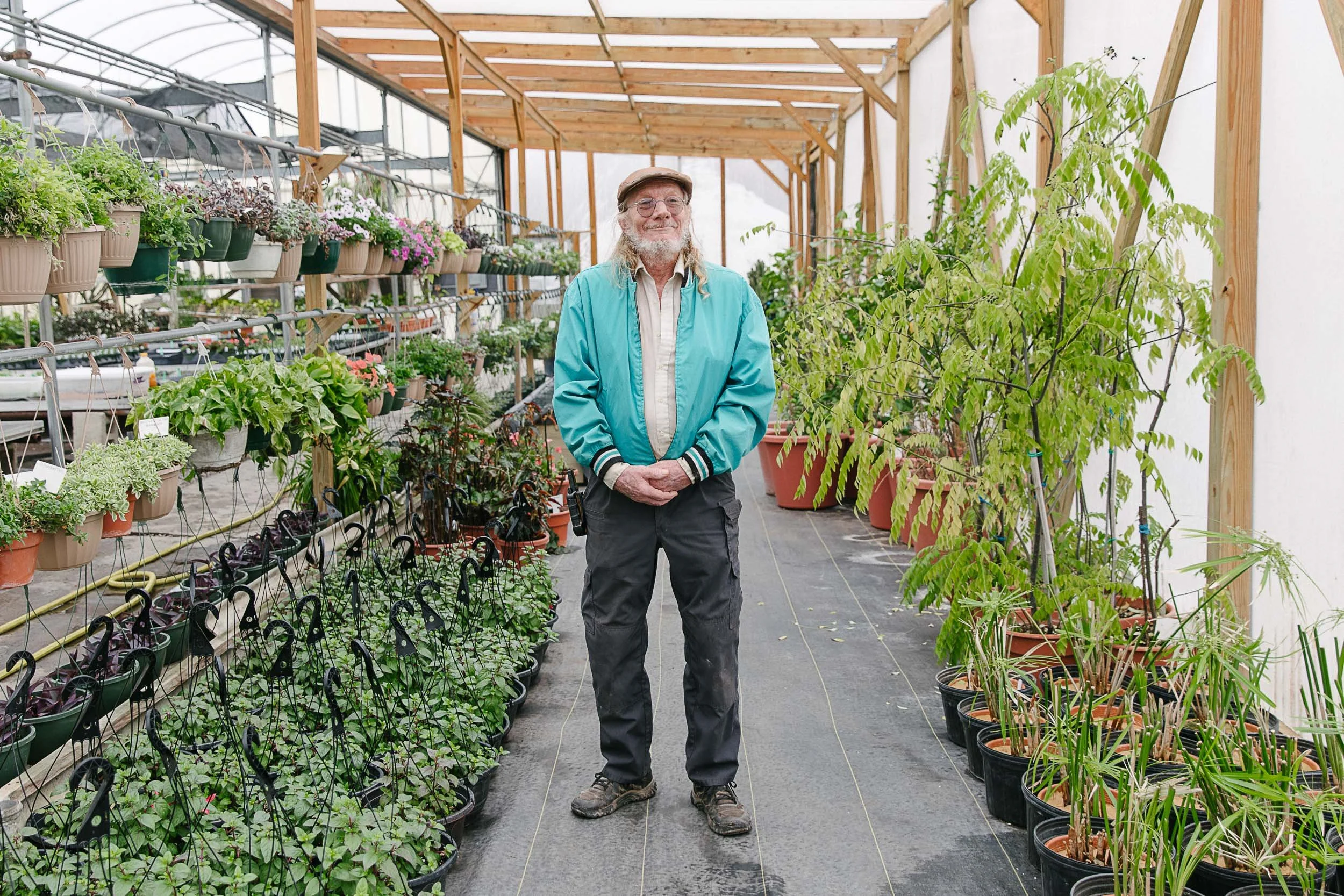
Funke’s Greenhouses
Funke’s Greenhouses in Spring Grove Village has a history that spans more than 120 years in Cincinnati. Today, the business is run by Al Funke, who has been at the helm since 1991.
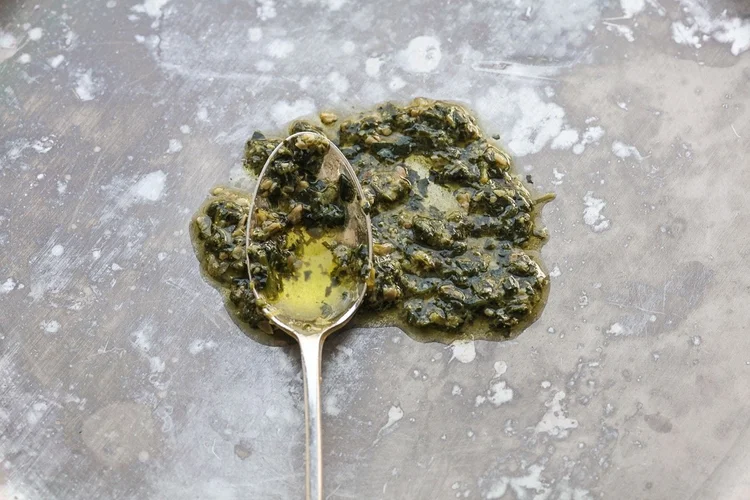
Mint-Spinach Pesto
Blanching the mint and spinach helps keep their color vibrant. Instead of mint and spinach, you can substitute other herbs and greens like parsley and arugula. These alternatives may have slightly different blanching times and will change the flavor profile.
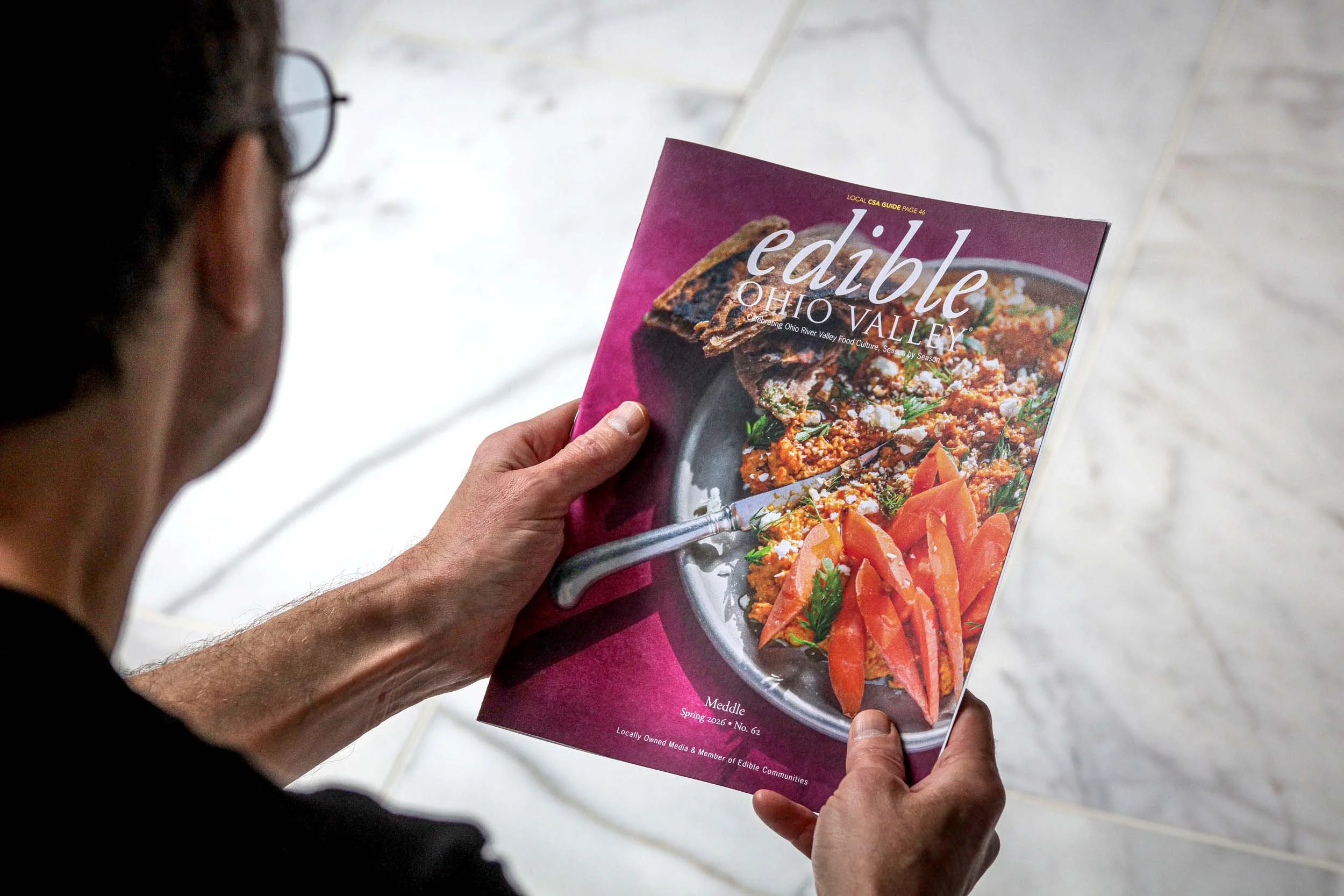
No 62 • Meddle
Even food is not immune to disinformation and opacity. And that’s why our Edible team is so grateful to be in a position to share real, meaningful stories about dedicated, hardworking people from across our local food landscape.
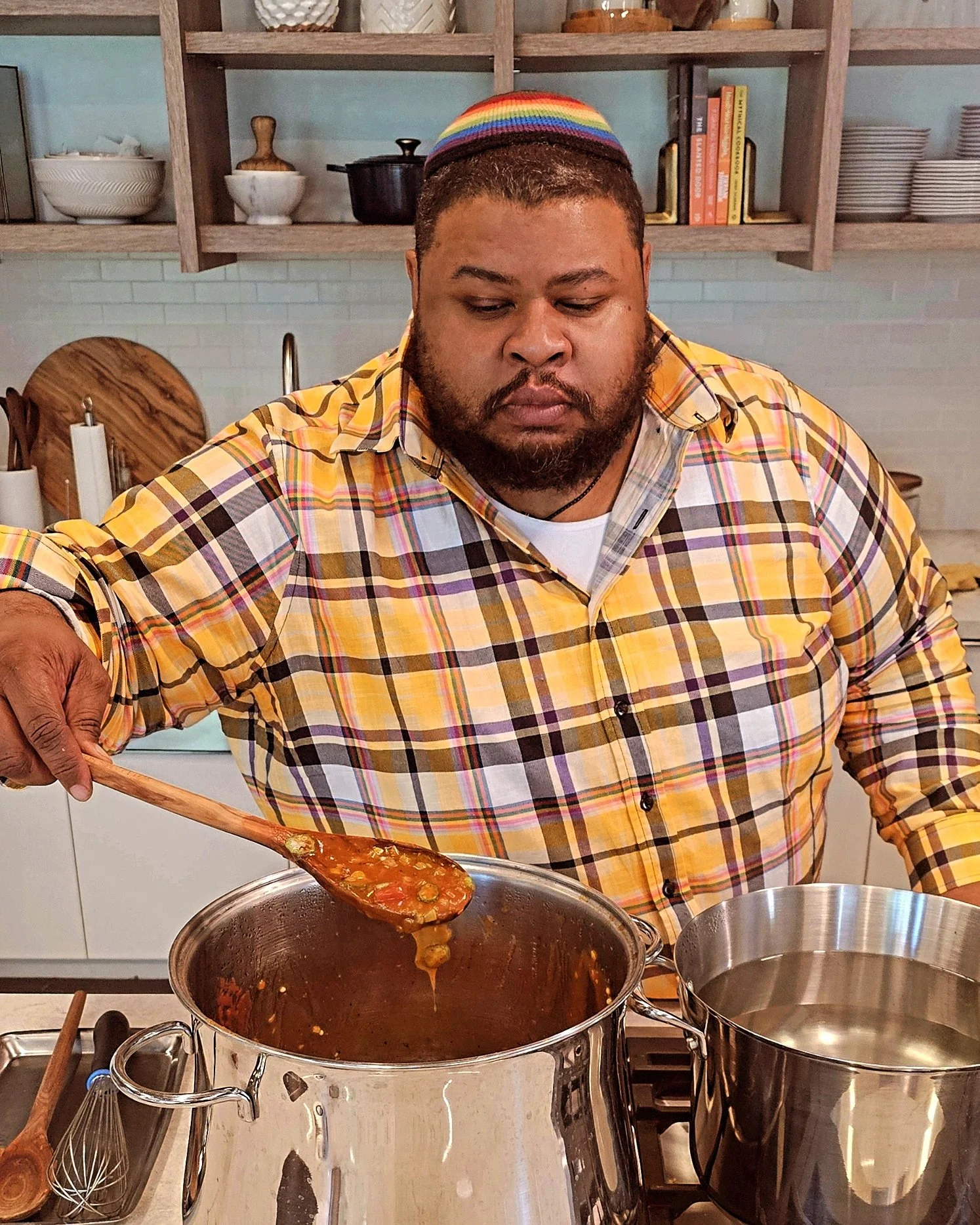
Michael Twitty
In The Cooking Gene: A Journey Through African American Culinary History in the Old South, Michael W. Twitty writes, “Food is an archiver, a keeper of secrets.” Yet Twitty, a culinary historian, scientist, cook, writer and reader, and justice seeker, shares everything, beginning with his Afroculinaria blog. With ancestral lines that span three continents and more than a dozen states and cities, Twitty speaks not about “from” but “of.” He is “of” these places, of parents born and raised “South by Midwest” and of people who liked to tell stories.